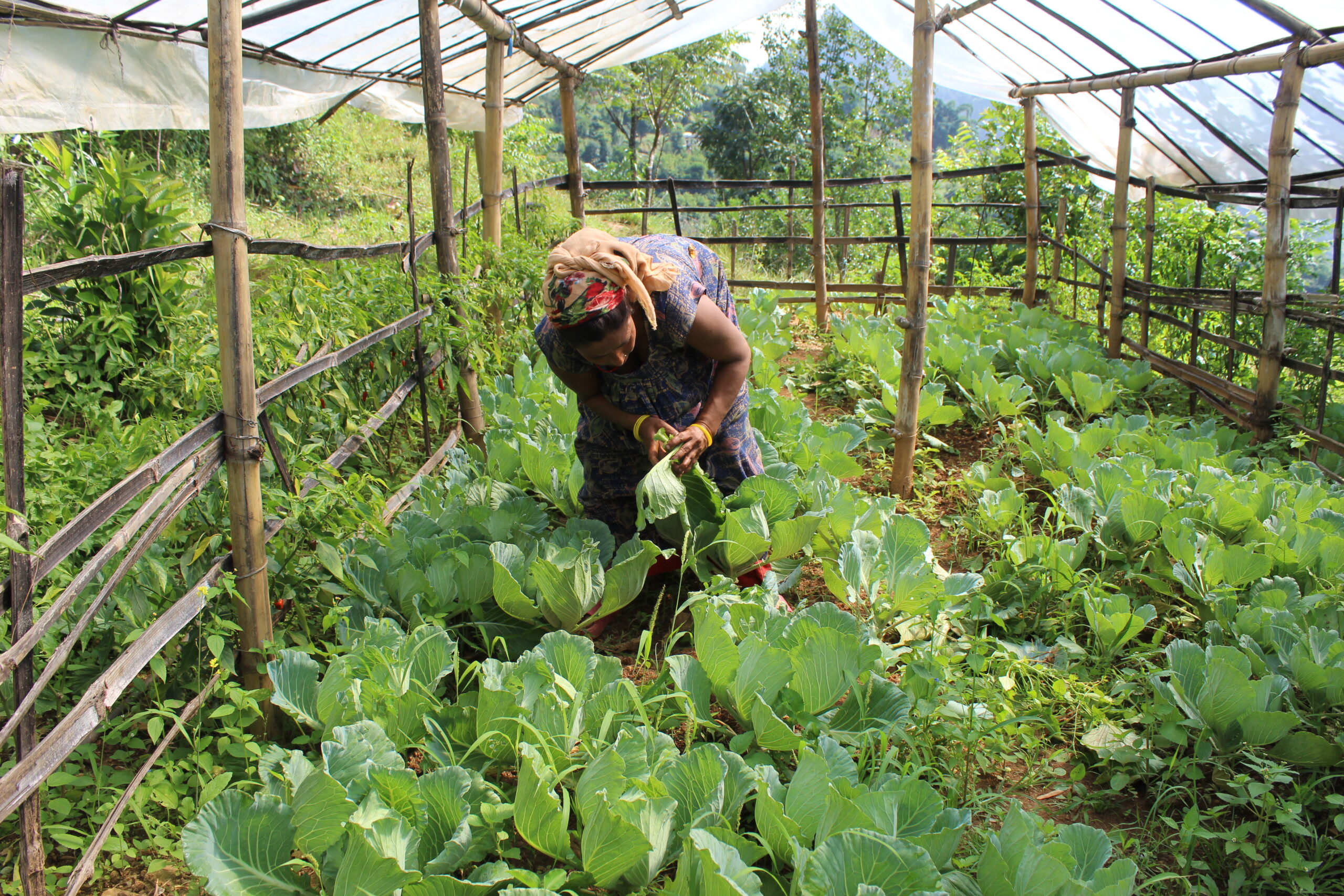
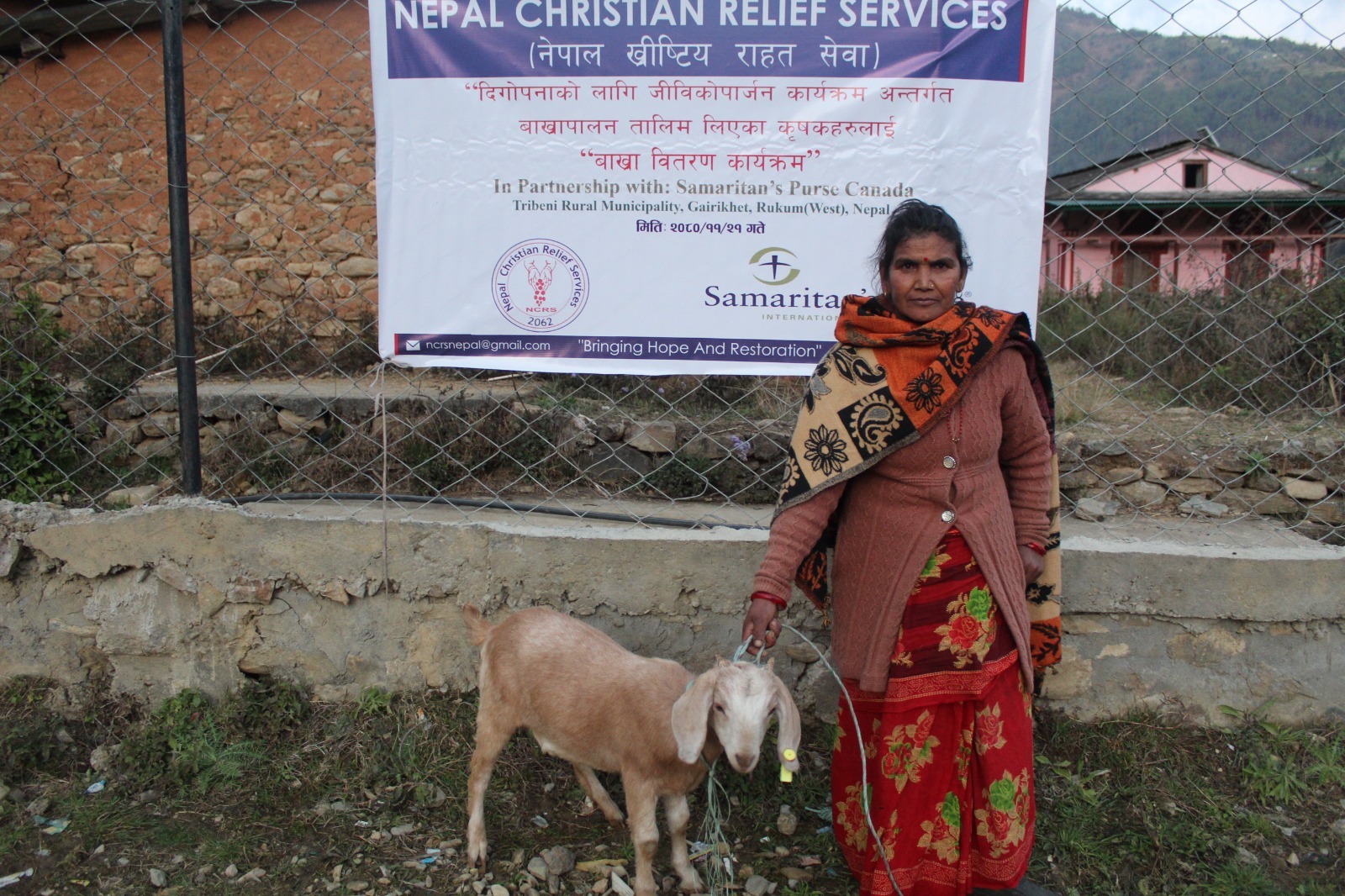
Project Title: Community Sustainable Development and Livelihood Project with WASH & DRRImplementing Partner: Nepal Christian Relief Services (NCRS)Supporting Partner: Samaritan’s Purse Canada (SPC)Project Duration: October 2022 – September 2025Project Area: Triveni Rural Municipality, Rukum West With the generous support of Samaritan’s Purse Canada, this three-year project aimed to transform the lives of COVID-19 affected and marginalized communities in Triveni Rural Municipality. Through integrated programs in livelihoods, health, hygiene, women and youth empowerment, and disaster preparedness, the project sought to build resilient, self-reliant, and healthier communities, empowering families to thrive despite past hardships. Livelihood Development Vegetable Farming Training: 90 farmers received hands-on training in modern and organic vegetable farming, along with essential farming tools and seeds. Commercial Livestock Rearing: 60 farmers learned improved goat-rearing techniques; each received a female goat, and groups received male goats for breeding.Impact: Farmers increased production, generated sustainable income, and improved household nutrition, helping families regain stability and hope. WASH (Water, Sanitation & Hygiene) – Personal Hygiene Training Hygiene and sanitation training provided to community school students. Hygiene kits to every participants and First Aid Boxes distributed to every schools.Impact: 1,207 students directly benefited, with approximately 4,000 community members reached indirectly. Schools now have better sanitation, children stay healthier, and absenteeism due to illness has decreased. Youth Entrepreneurship 75 youths, including school dropouts, unemployed, and migrant returnees, trained in business skills, marketing, and financial management.Impact: Many participants successfully started or expanded family businesses, increasing income and giving youth a renewed sense of confidence and purpose. Women’s Awareness & Empowerment 150 women trained in health, hygiene, income-generating activities, and decision-making.Impact: Women became more confident, economically active, and vocal about their rights, helping families thrive and strengthening community equality. Disaster Risk Reduction & Management (DRRM) DRRM training provided to 150 community leaders; wards received DRR tools, kits, and activated Disaster Response Teams.Impact: Communities are now better prepared to respond to emergencies, reducing the risks posed by natural hazards and climate change. https://youtu.be/yGtbjL-mFak?si=HuJK7R9e3VDAcVQm Stories All Posts Stories Stories Chandrakala Pariyar Stories Khim Bahadur Gharti Gallery
Rukum (West) – Sustainable Development with WASH & DRR
These projects in Rukum were started in March, 2020 and ended in April 2023.
Gorkha Rice Mill Project & DRR
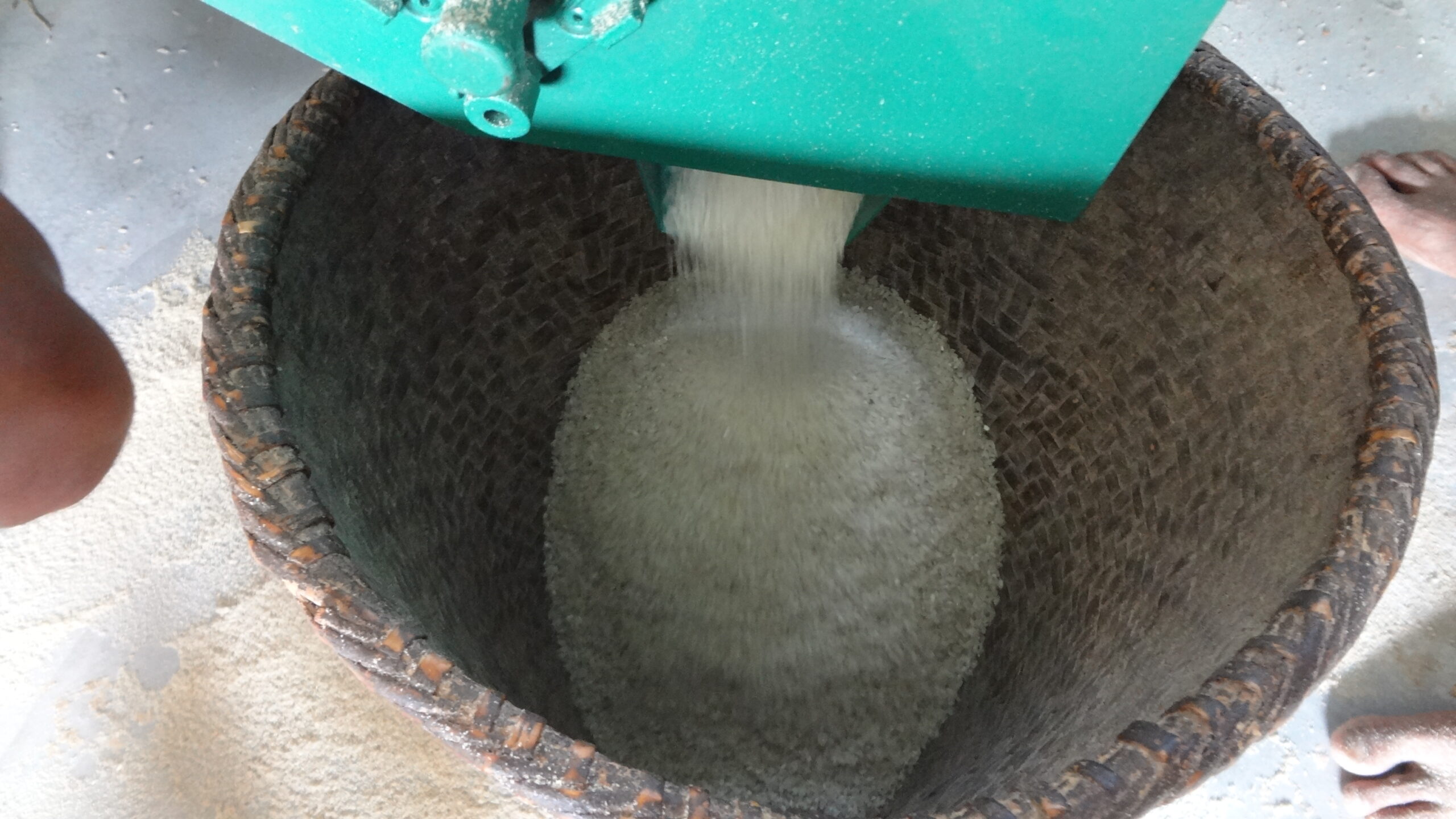
Funding Partner: CWRDProject Duration: June 6, 2018 – August 16, 2019Project Area: Malati Gairaha, Palungtar Municipality–08, Gorkha DistrictBeneficiaries: 200 direct beneficiaries Approximately 850 indirect beneficiaries Project Background Families living in the remote villages of Malati Gairaha, Palungtar–08 faced significant hardship due to the lack of basic milling services. Prior to the project, community members- especially women were required to walk several hours to nearby villages to grind rice and wheat. This daily burden consumed time, energy, and exposed women to physical strain and safety risks. Recognizing this need, Nepal Christian Relief Services (NCRS) implemented the Gorkha Rice Mill Project with Disaster Risk Reduction (DRR) Training to improve livelihoods, reduce daily hardships, and strengthen community resilience. Key Activities Implemented Baseline surveys and data collection (March–May 2018) Formation of a Consumer’s Committee in coordination with local women’s groups Multiple market surveys and technical assessments Construction of a dedicated rice mill building Procurement and installation of mill machinery (husker, polisher, grinder, motors, accessories) Technical training on mill operation and maintenance Four DRR training sessions conducted between September 2018 and March 2019, engaging over 180 participants, including women, men, and schoolteachers Monitoring visits by NCRS leadership and donor representatives Successful project handover and social audit meeting on August 11, 2019 Local community members actively contributed physical labor during construction, strengthening ownership and sustainability. Community Collaboration The project was implemented in close coordination with: Palungtar Municipality Ward Office and District Administration Local community leaders and women’s groups The Ward Chairman played a key role in facilitating access to community land and securing three-phase electricity, which was one of the major technical challenges of the project. Project Outcomes and Impact Livelihood and Social Impact 75% of the target population now uses the rice mill regularly. Women no longer need to walk long distances to grind grains, saving time, reducing physical strain, and improving safety. Time saved is now invested in childcare, household responsibilities, and income-generating activities. The rice mill is owned and managed by the Malati Women’s Group, promoting women’s leadership and financial inclusion. Economic Sustainability The mill generates regular income, with all earnings deposited into the women’s group savings account. The group provides low-interest loans to vulnerable families, contributing to broader community development. The mill operator, trained under the project, receives a monthly salary of NPR 5,000. https://youtu.be/rclQd4E7xdQ?si=w2i74dnX9EIBX6ub DRR Training Outcomes Communities are better prepared to respond to disasters. Awareness of disaster preparedness and mitigation has significantly improved. 70% of participants can now identify at least five disaster preparedness and response measures. Gallery
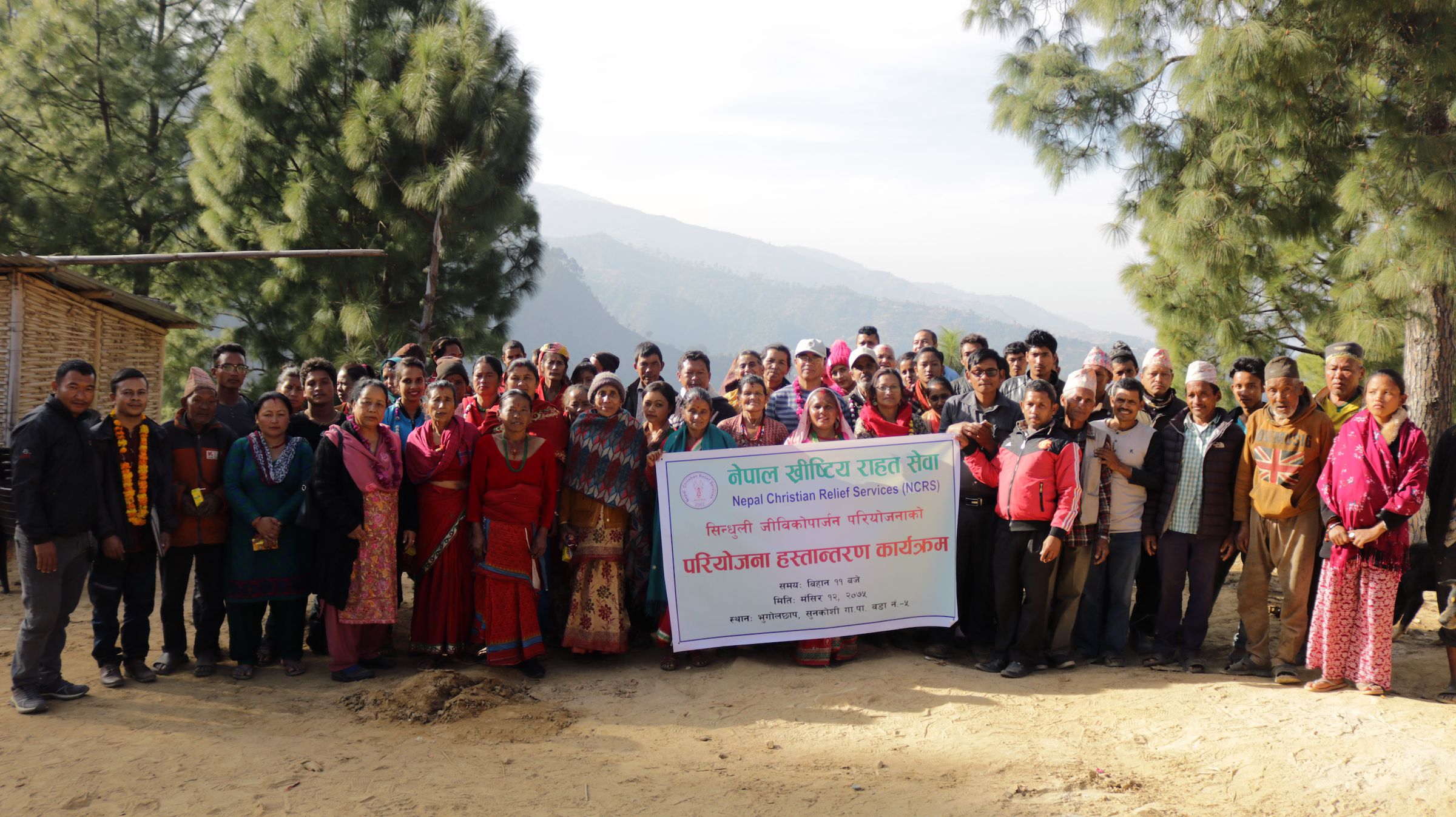
Sindhuli Livelihood Project
On the 15th of May 2019, Social Audit was conducted successfully. During the event, beneficiaries and government officials were invited and we received positive feedback from them. Especially, Chairman from Rural Municipality in her speech expressed her gratitude towards NCRS and funding partners.
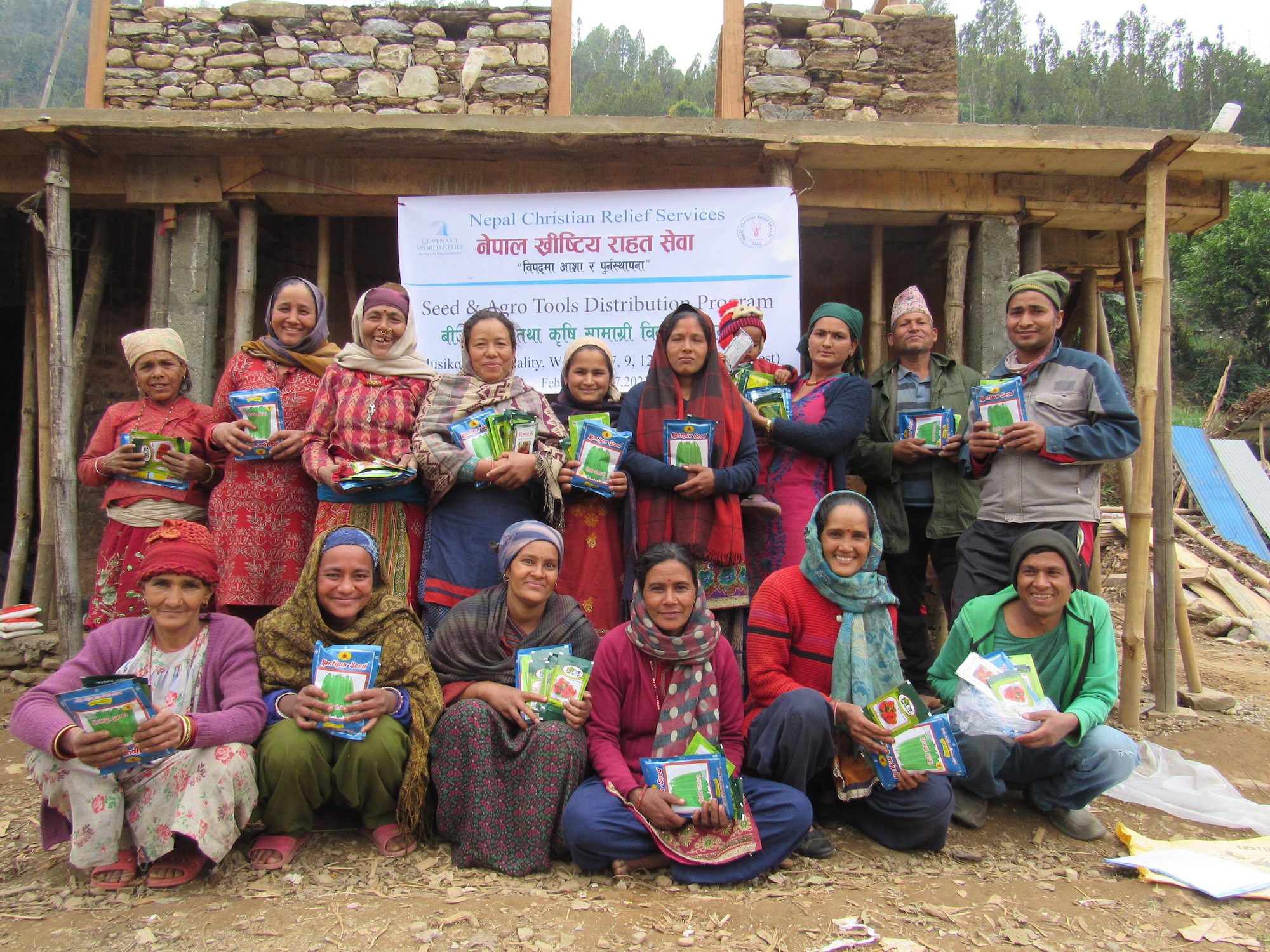
Support to Farmers with Organic Farming Trainings
Livelihoods support consist package of vegetable farming training as well as tools to marginalized and vulnerable farmers in different project areas.
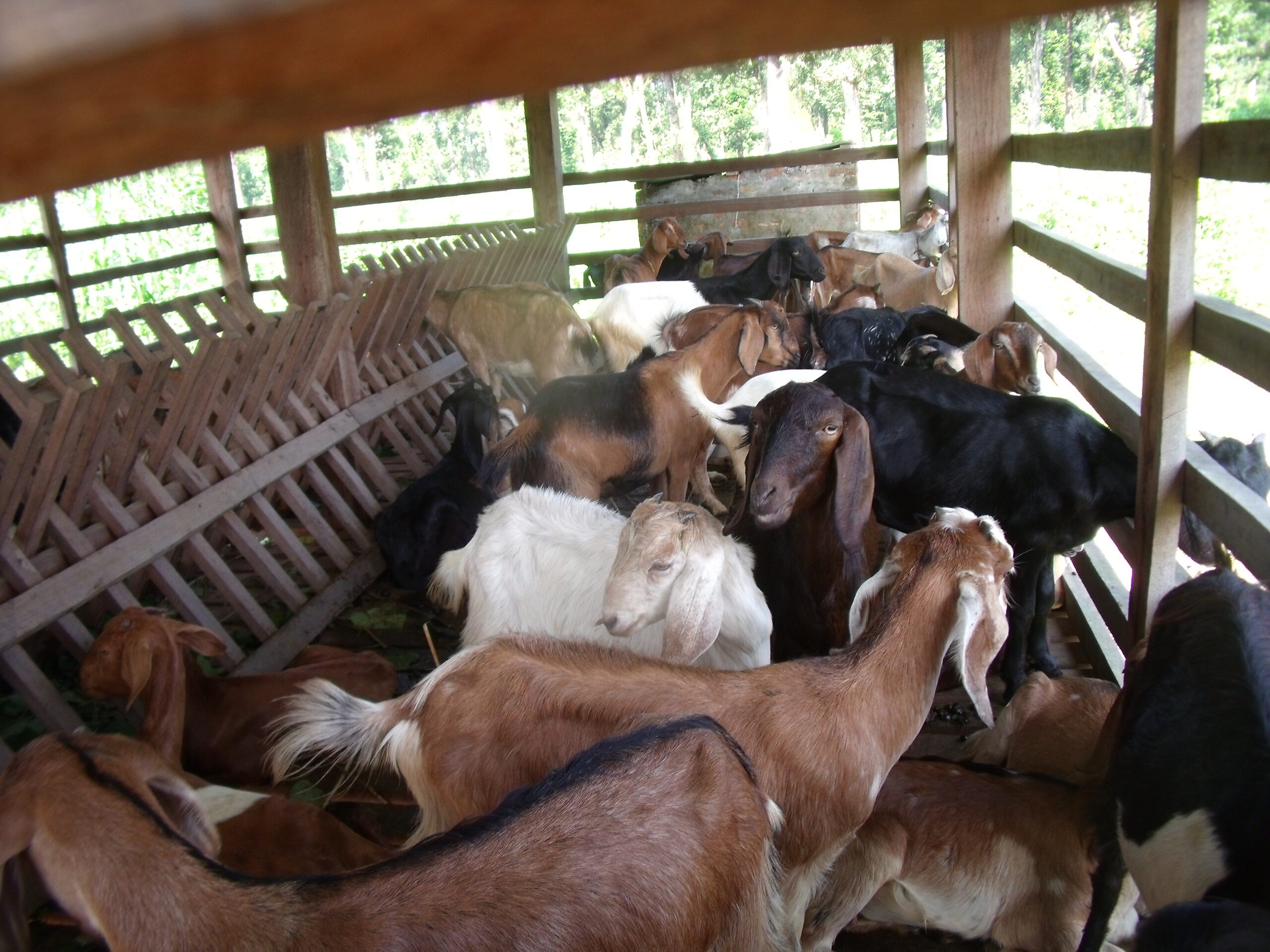
Chitwan – Livelihood Support for Drought-Affected Families
Project Location: Ayodhyapuri VDC–09, Badarjhula and Kusumkhola, Chitwan District Total Beneficiaries: 102 drought-affected families Project Duration: 25 August 2013 – 16 September 2013 Funding Partner: Samaritan’s Purse Canada (SPC) Project Overview Livelihood support plays a vital role in helping disaster-affected families sustain their lives and regain economic stability. Through its Livelihood Support Program, Nepal Christian Relief Services (NCRS) supports vulnerable households by providing need-based assistance such as livestock support and capacity-building activities that enable families to generate income and build resilience. Background In recent years, communities in Chitwan District experienced severe and prolonged drought, which significantly affected agricultural production and household income. Many families struggled to meet their daily needs and lacked sustainable livelihood options. Project Interventions The livelihood project focused on livestock-based income generation and included the following components: Construction of goat sheds for all 102 families Livestock management training to strengthen skills in goat rearing Distribution of 208 goats, including breeding male goats, to ensure sustainability and future herd growth Goat Distribution Phases The goat distribution was conducted in two phases to ensure effective coordination and smooth implementation: Phase I – 25 August 2013 Kusumkhola: 50 goats and 1 male goat distributed to 25 families Badarjhula: 50 goats and 1 male goat distributed to 25 families Total in Phase I: 102 goats Phase II – 16 September 2013 Badarjhula: 106 goats, including 2 male goats, distributed to 52 families All distribution activities were carried out in close coordination with the Local Development Office (LDO), Village Development Committee (VDC), local-based organizations, and local churches. Impact Families gained a reliable source of income through goat rearing Improved household food security and economic confidence Strengthened skills in livestock management for long-term sustainability Renewed hope among families affected by prolonged drought Beneficiary families expressed their heartfelt gratitude for the construction of goat sheds and the distribution of livestock, recognizing the support as a meaningful step toward rebuilding their livelihoods and securing a better future. Gallery