Location: Lalitpur Metropolitan City (Lalitpur) and Dhading Besi & Nilkantha Municipalities (Dhading)
Project Duration: November 2017 – October 2020
Funding Partners: Mennonite Central Committee (MCC) Nepal & MCC Canada
Project Background
With the support of Mennonite Central Committee, the Disaster Awareness and Preparedness Training Project was implemented to strengthen disaster preparedness, response capacity, and risk reduction practices among vulnerable communities, including stakeholders & key leaders, in Lalitpur and Dhading districts. The project focused on building practical knowledge, local skills, and community-led disaster preparedness mechanisms.
Key Results and Outputs
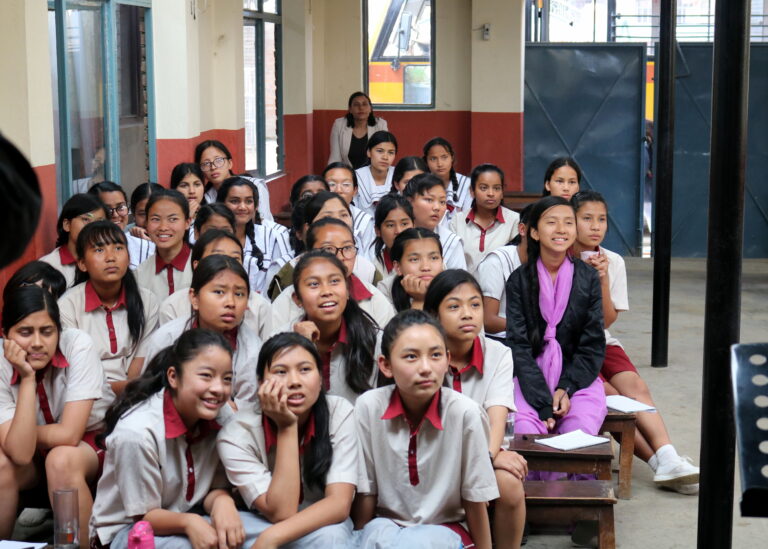
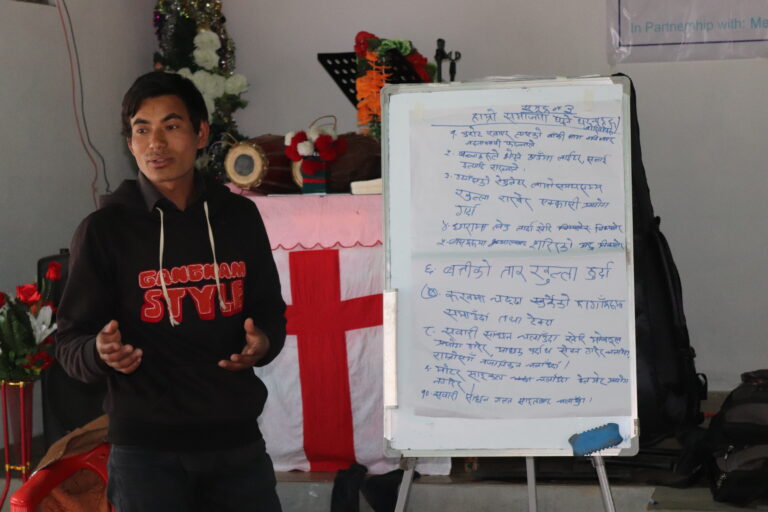
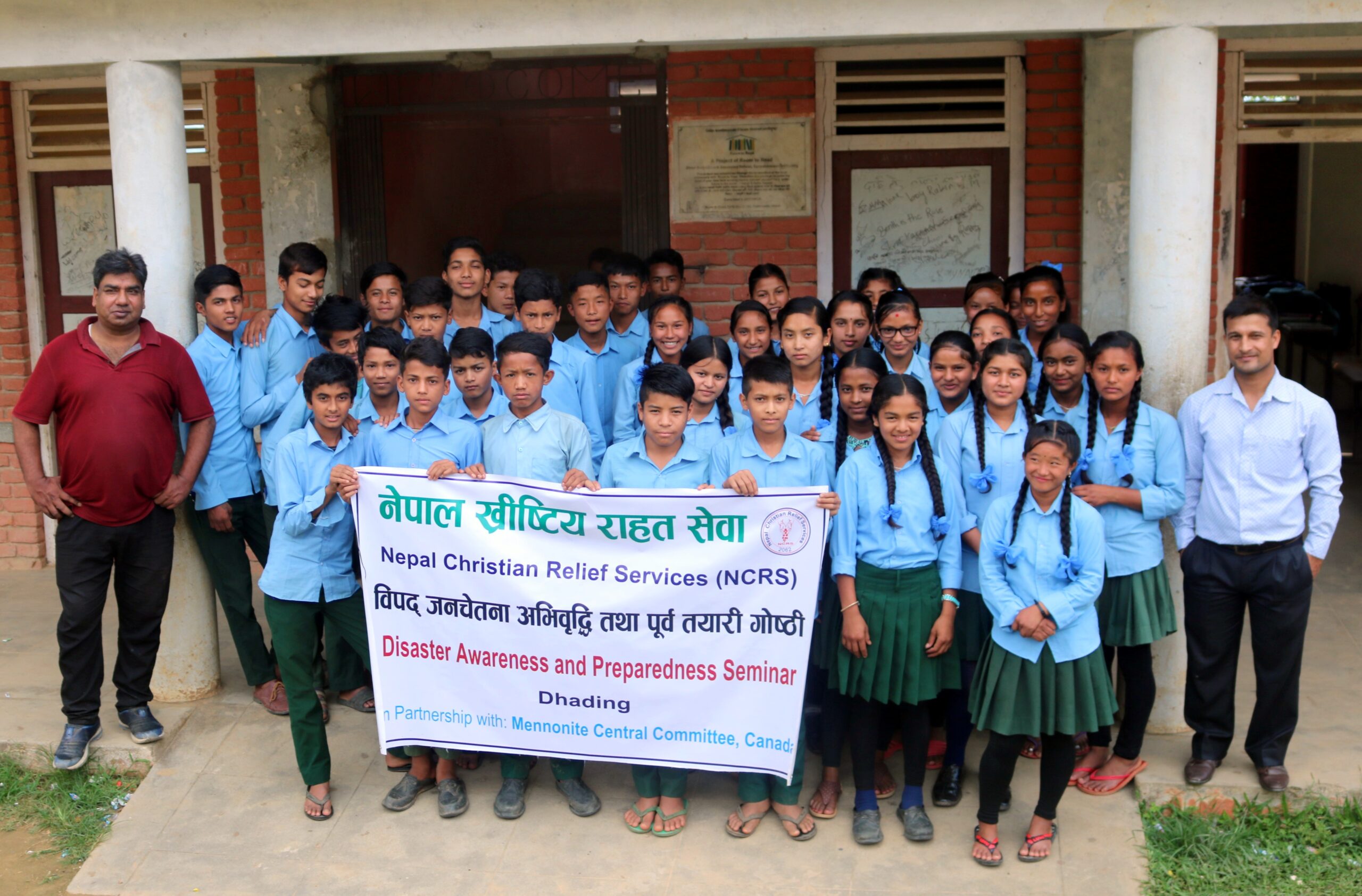
- 20 Disaster Awareness Seminars conducted, reaching 1,090 participants, with strong female participation (55% women), enhancing community-level understanding of disaster risks and safety measures.
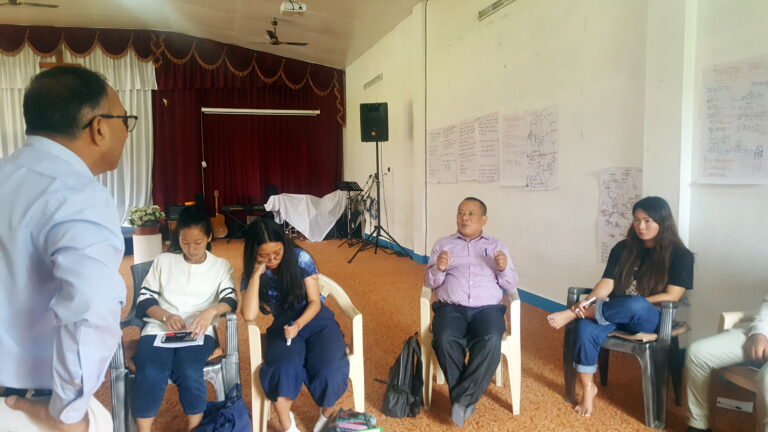
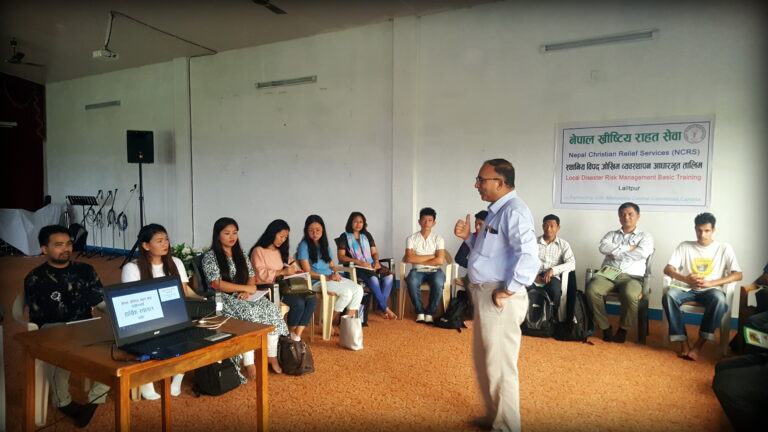
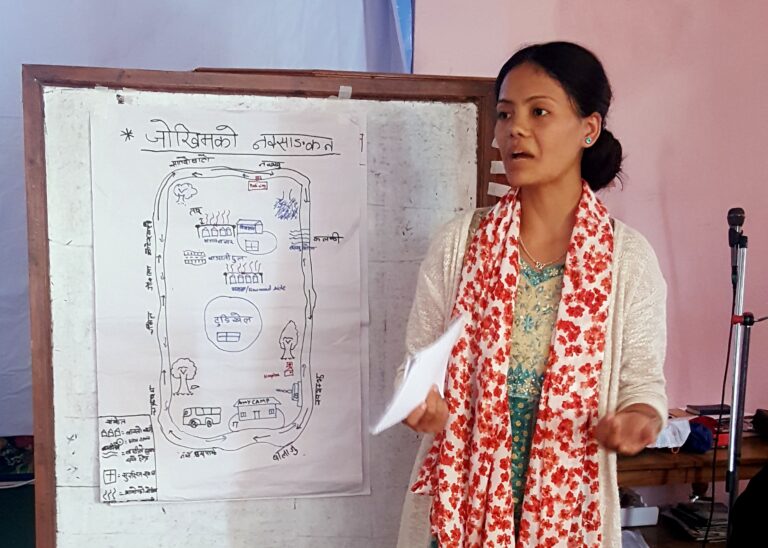
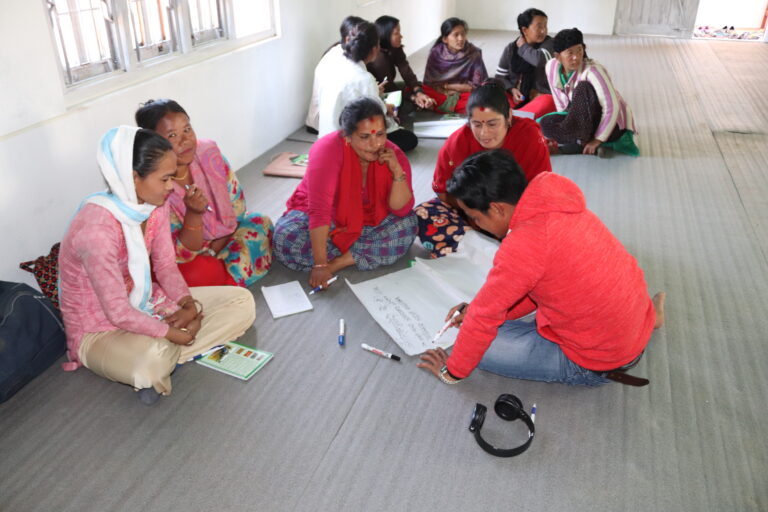
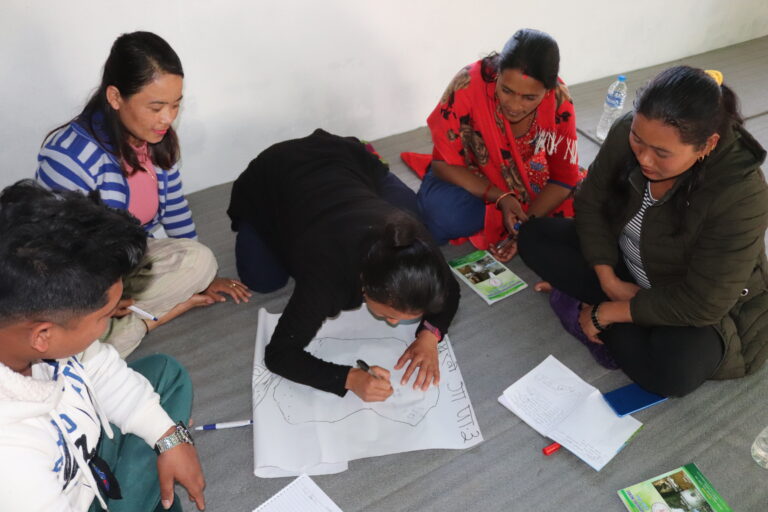
- 10 Locally Based Disaster Risk Management (LBDRM) Basic Trainings delivered to 251 local participants, resulting in the development of 24 community hazard maps to support local disaster planning and preparedness.
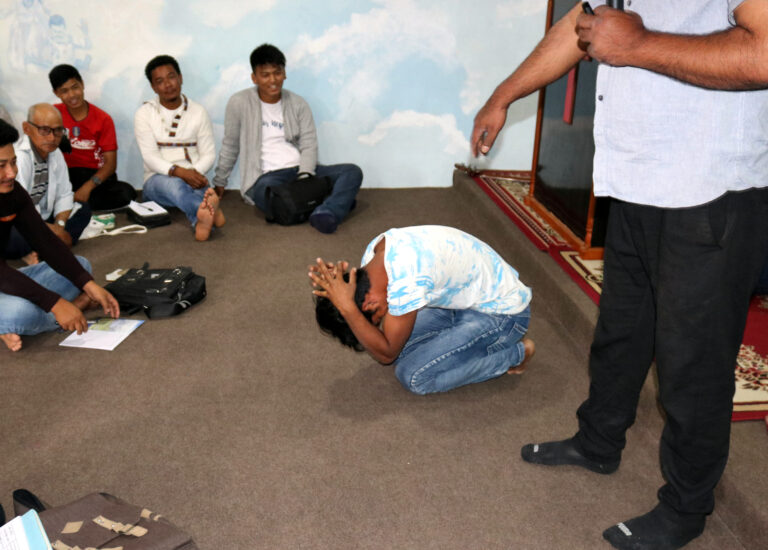
- Advanced LBDRM Training was provided to102 committed volunteers, leading to the formation of 4 Community Disaster Response Teams. Participants were equipped with essential safety kits to ensure safe and effective response during emergencies.
Reallocation of Project Funds for COVID-19 Response
In response to the COVID-19 pandemic and government-imposed lockdown in 2020, project funds were responsibly reallocated with donor approval to address urgent humanitarian needs. Through this adaptive approach, 140 vulnerable households in Lalitpur – primarily daily wage workers and marginalized families received emergency relief support.
Impact and Sustainability
Trained participants actively engaged in disaster risk reduction initiatives within their communities, including awareness raising, hazard mitigation activities such as tree planting, river embankment protection, and responsible road construction practices through dialogue with communities and local authorities. The project strengthened community resilience by establishing trained local responders and promoting long-term preparedness practices, ensuring continued impact beyond the project period.
Donor Value Statement
Donor investment in this project delivered measurable, sustainable outcomes by building local capacity, improving preparedness, and enabling timely emergency response-maximizing impact while ensuring transparency and accountability.
Gallery