Funding Partner: CWRD Project Duration: June 6, 2018 – August 16, 2019 Project Area: Malati Gairaha, Palungtar Municipality–08, Gorkha District Beneficiaries:
200 direct beneficiaries
Approximately 850 indirect beneficiaries
Project Background
Families living in the remote villages of Malati Gairaha, Palungtar–08 faced significant hardship due to the lack of basic milling services. Prior to the project, community members- especially women were required to walk several hours to nearby villages to grind rice and wheat. This daily burden consumed time, energy, and exposed women to physical strain and safety risks.
Recognizing this need, Nepal Christian Relief Services (NCRS) implemented the Gorkha Rice Mill Project with Disaster Risk Reduction (DRR) Training to improve livelihoods, reduce daily hardships, and strengthen community resilience.
Key Activities Implemented
Baseline surveys and data collection (March–May 2018)
Formation of a Consumer’s Committee in coordination with local women’s groups
Multiple market surveys and technical assessments
Construction of a dedicated rice mill building
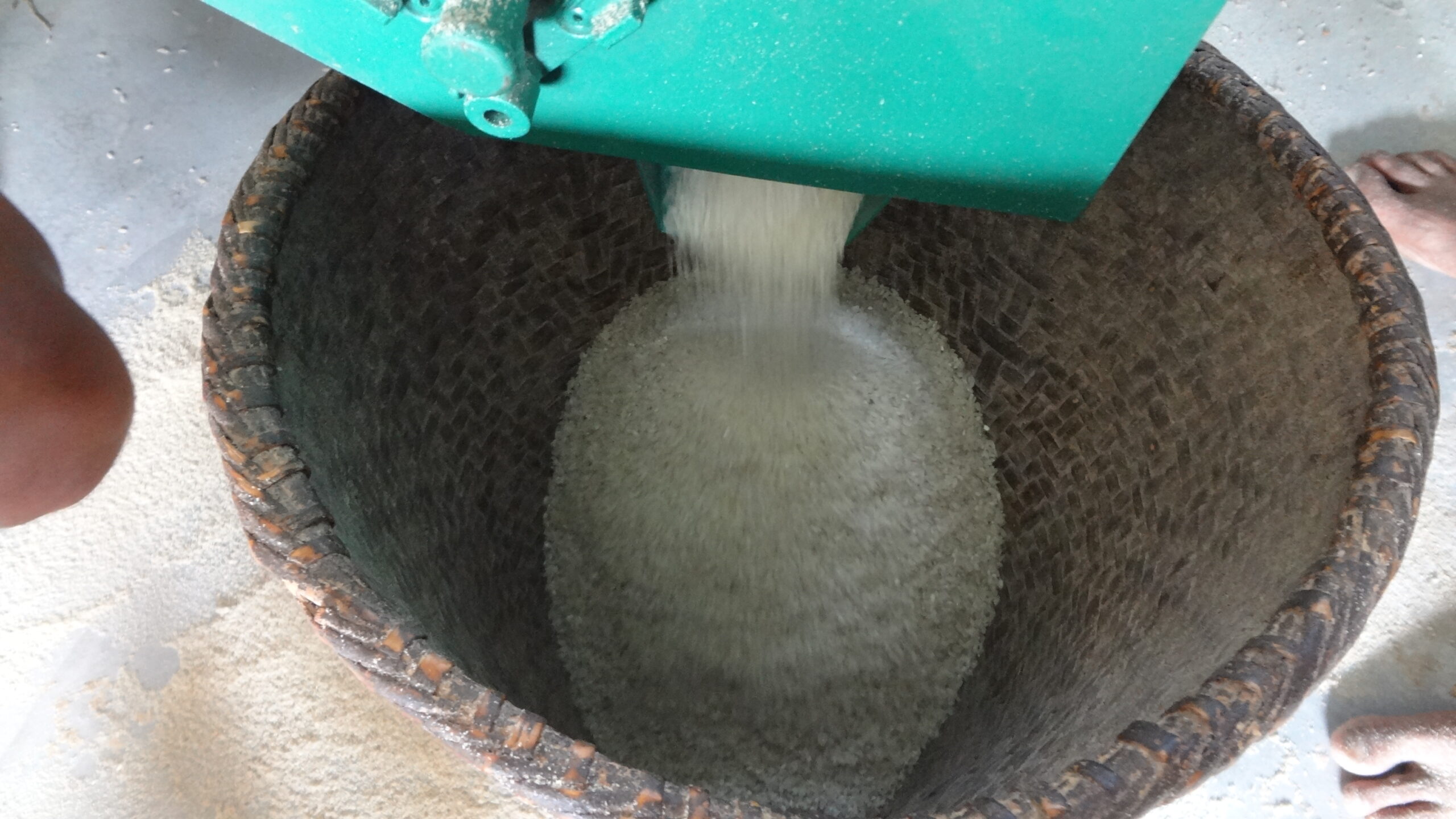
Procurement and installation of mill machinery (husker, polisher, grinder, motors, accessories)
Technical training on mill operation and maintenance
Four DRR training sessions conducted between September 2018 and March 2019, engaging over 180 participants, including women, men, and schoolteachers
Monitoring visits by NCRS leadership and donor representatives
Successful project handover and social audit meeting on August 11, 2019
Local community members actively contributed physical labor during construction, strengthening ownership and sustainability.
Community Collaboration
The project was implemented in close coordination with:
Palungtar Municipality
Ward Office and District Administration
Local community leaders and women’s groups
The Ward Chairman played a key role in facilitating access to community land and securing three-phase electricity, which was one of the major technical challenges of the project.
Project Outcomes and Impact
Livelihood and Social Impact
75% of the target population now uses the rice mill regularly.
Women no longer need to walk long distances to grind grains, saving time, reducing physical strain, and improving safety.
Time saved is now invested in childcare, household responsibilities, and income-generating activities.
The rice mill is owned and managed by the Malati Women’s Group, promoting women’s leadership and financial inclusion.
Economic Sustainability
The mill generates regular income, with all earnings deposited into the women’s group savings account.
The group provides low-interest loans to vulnerable families, contributing to broader community development.
The mill operator, trained under the project, receives a monthly salary of NPR 5,000.
DRR Training Outcomes
Communities are better prepared to respond to disasters.
Awareness of disaster preparedness and mitigation has significantly improved.
70% of participants can now identify at least five disaster preparedness and response measures.