Project Overview
The Rehabilitation Support Project aims to support families displaced by disasters by helping them rebuild their homes and restore dignity, safety, and stability in their lives. The project focuses on permanent resettlement by addressing shelter needs and related essentials, enabling affected families to recover and move toward long-term resilience.
Background
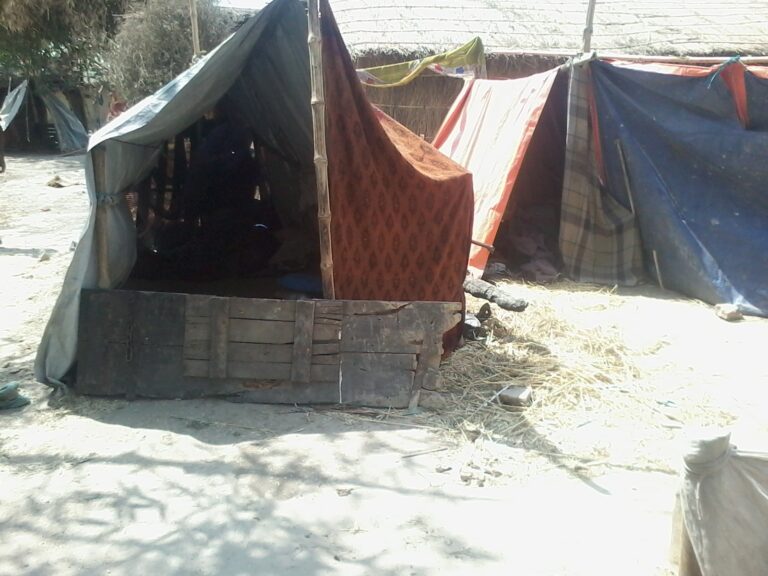
In March 2014, a devastating fire broke out in Hariharpur, Parsa District, completely destroying the settlement of 18 Mushar families. The fire reduced their small thatched houses to ashes, forcing entire families to live in temporary tents under extremely difficult conditions. The Mushar community is among the most marginalized and economically disadvantaged Dalit groups in Nepal, making recovery especially challenging after the disaster.
Project Interventions
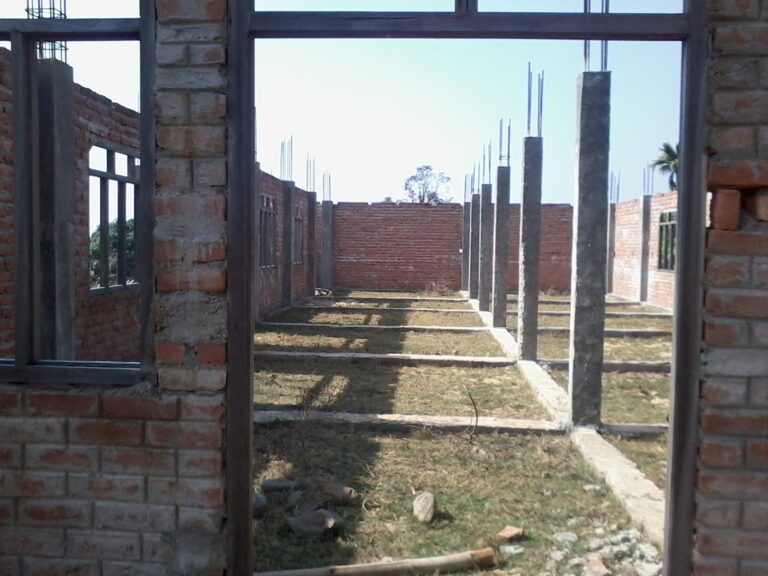
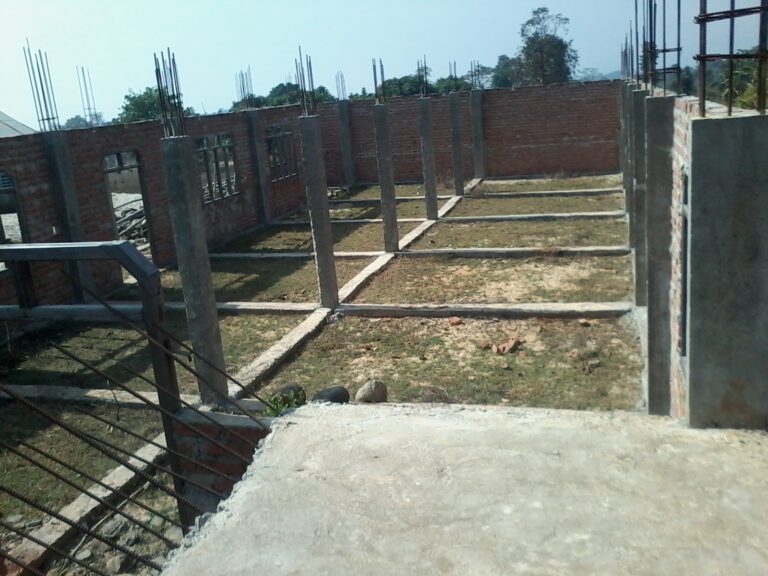
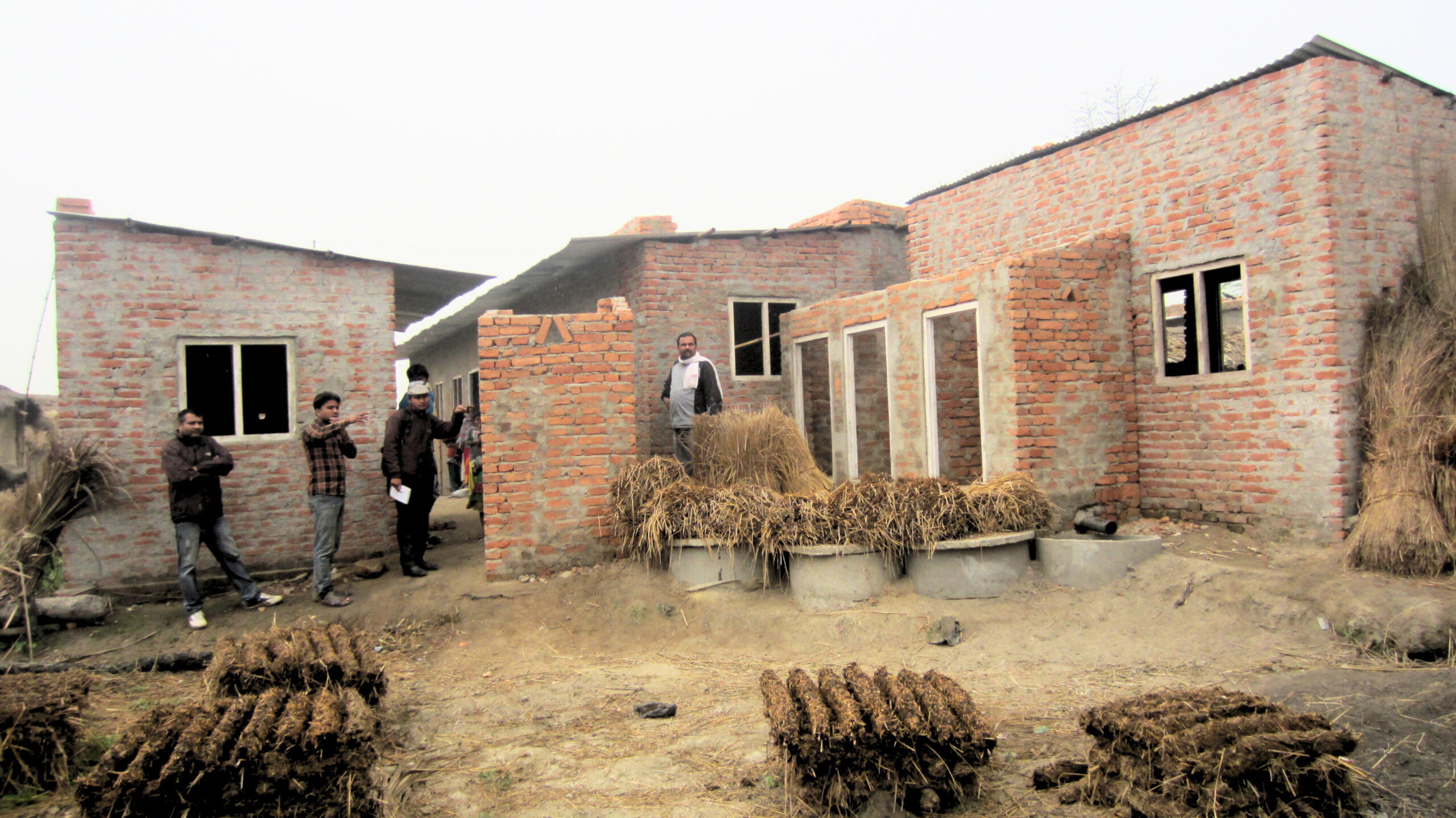
The project supported the construction of improved, durable houses with toilets, using cost-effective designs and local skills to ensure community ownership and sustainability to 18 Mushar families. By providing permanent shelter, the project significantly reduced the need for families to borrow money at high interest rates to repair fragile grass huts, thereby improving their overall standard of living.
Community Impact
The beneficiaries were primarily from the Mushar community, who practice Islam as their religion. Throughout the project implementation, the community observed the organization’s compassionate, respectful, and supportive approach. This fostered mutual trust and understanding, leaving a strong positive impression on the community. Beneficiaries expressed deep gratitude for the support received and shared that having a permanent home with sanitation facilities has secured their future for many years.
Additional Support and Handover
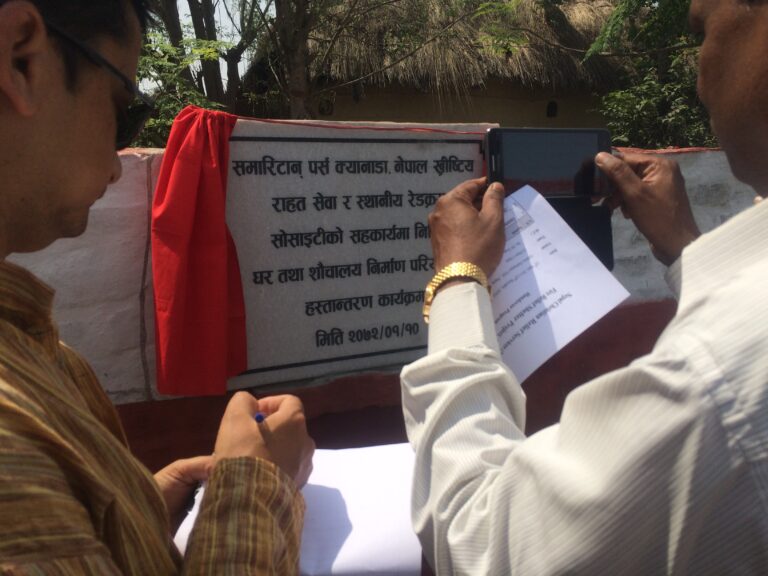
On 4 February 2015, houses were formally handed over to:
- Two families displaced by fire and elephant attacks in Kanchanpur District
- Two families in Raksirang, Makwanpur District
In addition, food assistance was distributed to each family to support immediate needs, including Food Relief Items.
Related Rehabilitation Initiatives
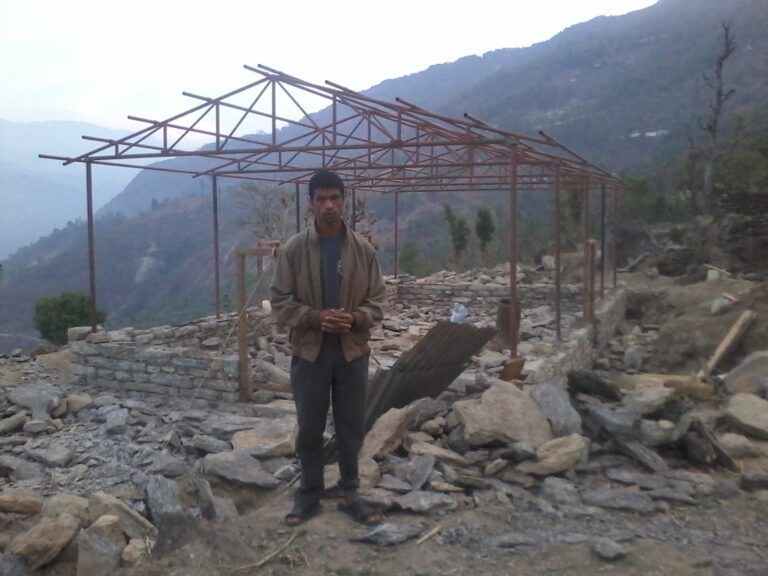
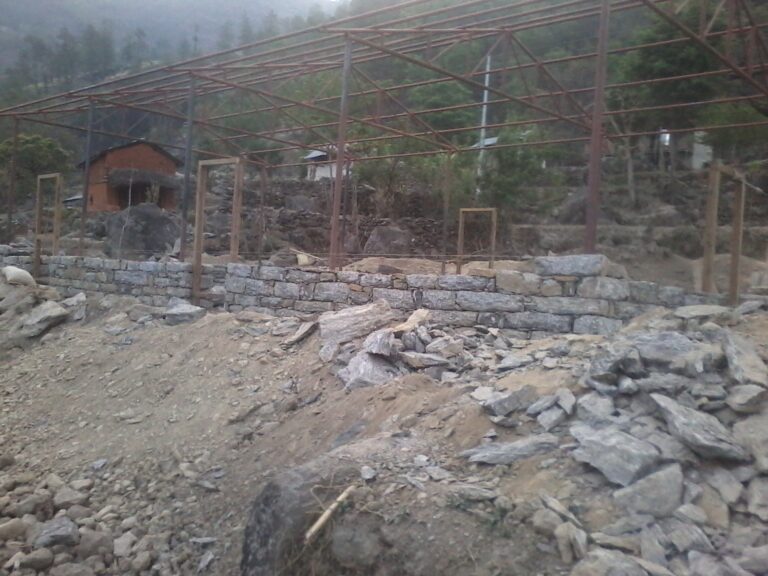
NCRS also constructed 50 portal shelters in Sangachok, Sindhupalchowk District. Each shelter measured 10 feet by 12 feet, providing families with a safe and dry place to live during the rainy season and beyond. Beneficiary families expressed great relief and gratitude for having secure shelter after displacement.